Teron Buford is an author, storyteller, and founder of GRACE through SOUL, a company that helps people and organizations unlock the power of identity and lived experience. Through his memoir, What If I’m Enough?, he invites people to see that progress, not perfection, is what shapes healing and growth. His core belief is simple and human: your story isn’t a shackle, it’s the key.
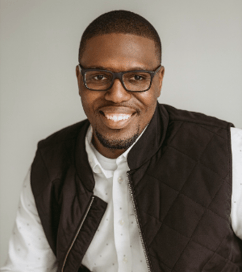
Raised in circumstances that demanded resilience, Buford's journey moves from survival to service, reflection, and authenticity. Whether speaking, mentoring, or supporting community and organizational work, he brings honesty, humor, and compassion to every space, helping others honor their stories and believe that who they are has always been enough.
We spoke with the author about being named Second Place winner in Overall Nonfiction at the 2026 IndieReader Discovery Awards (IRDAs), his experience in working with IngramSpark, and why stories have the power to reach people.
How does it feel to be a first-time author and have your work be received so well - and even awarded by IndieReader?
If I’m being fully honest, I’m still learning how to receive it. Don’t get me wrong: receiving the award… it’s nice to have my story and experience be recognized, but I didn’t write this chasing confirmation, validation, or praise. But that affirmation is humbling… and strange. It’s also encouraging. It’s a reminder to anybody who's reading along at this point that they’re not navigating this life alone, and if we’re having an experience, you can be sure that there’s probably somebody else out there who can relate to it.
What surprised you most about your experience with IngramSpark that other authors should know?
Let me tell you something: publishing is intimidating.
I think I underestimated how much goes into the time between when I click the purchase button and the book actually arriving at my front door. Everything from the formatting and precision that it takes, to the look and feel attached to the size of the font or the color of the page. It’s a lot. But I will say that the IngramSpark platform was pretty user friendly.
With a little bit of support and guidance from those closest to me who had a little know-how, it actually ended up being a relatively easy tool to figure out once I got the hang of it.
Your book navigates heavy topics with humor weaved in. Was that balance intentional from the beginning, or did your natural storytelling voice just take over in that way?
Humor is how I've survived all the hard things in my life. That balance that you feel inside of the book comes from my actual voice and lived experience. I’m naturally this silly, lighthearted kind of guy because, deep down, I think we all need some sort of mechanism that helps us rebound after hardship. I’m of the belief that “heavy” doesn’t have to mean “humorless.” And I think sometimes laughter can create room for truth, authenticity, and being real in a way that matters. I was hoping that I could convey that to the reader and give them a breath between some of the challenges, because that’s what life’s all about: challenge, rebound, and getting back to it.
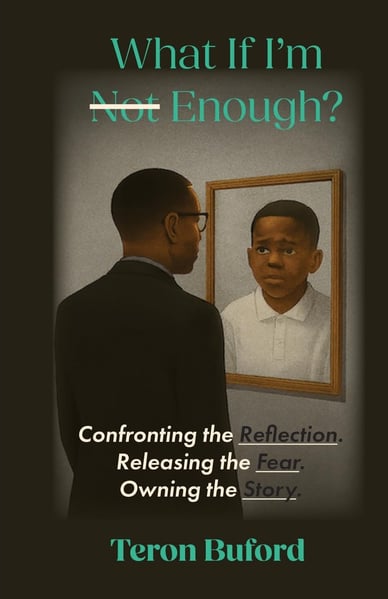
Check out Teron’s powerful, award-winning memoir on courage, healing, and self-worth
Writing a memoir can be incredibly vulnerable and emotional. How did you decide which parts of your life to include and which to leave out? Was there a chapter or story that was particularly difficult to write?
I tried to be intentional to include stories that told a larger truth together. Not every single painful detail needed to be on every other page inside of the book. For me, I guess some of the hardest parts about writing the book were also some of the most honest and cathartic ones. Talking about moments of feast and famine from my childhood. Or the love and loss that accompanies friends and family members moving or passing away. Or the tragedy, but also sometimes triumph, that comes with living for today but being thoughtful about tomorrow and not losing sight of the learnings of yesterday while simultaneously not allowing them to paralyze you in the moment today. And that’s a lot to try to manage. There’s no easy way to write about any of that without practicing some level of discernment, but also courageous vulnerability.
Your book touches on grief, mental health, masculinity, family, belonging, and purpose. Why did identity become the thread that connected all of those experiences?
Identity was underneath every single wound. Every single story of my life. I think about the grief that I experienced and how that changed who I thought I was and who I wanted to be. Or how I thought about masculinity and how it shaped what I allowed myself to feel and think about my existence as a man. Or how belonging questioned where I could show up fully. And from all of that, purpose emerged after I stopped performing what I thought “worth” was supposed to be. All that came together and told a story of the reflection of who I was yesterday, established the person that I am today, and helped lay the groundwork for the person I might become tomorrow. And I think that’s one of the truest and most raw forms of living into identity.
As a storyteller, why do you think stories have the power to reach people and effect change in a way that other mediums don’t?
Stories bypass just about any defense that you can think of. People will resist your advice, your feedback, your criticism, hell, they'll resist your encouragement if they don’t believe it’s coming from a valid place. But we recognize ourselves in stories. Stories make the complicated and abstract experiences of love, life, and pain human. They make it so that we can create a connection before we ever have to go down the path of critique. And a lot of times, that’s where change starts: when people can feel seen. And stories are the platform for that. They allow us to have those genuine connections to each other while also giving us permission to close the gap between things that we think we know and maybe some of the things that we don’t. There’s not a single vehicle out there that I’ve seen, heard, or experienced that does a better job of connecting those dots than storytelling.
If readers walk away remembering only one lesson from your stories, what do you hope it is?
Fear lies loudly, but truth comes in a whisper. Fear will scream at you that you are your worst moment, but truth will whisper that you just had a bad day. Fear might argue that your story owns you, but the soft voice of truth will remind you that you own the story. So, I think it’s important that you don’t hide away from the challenges of your past simply because they were hard, challenging to deal with, or make you uncomfortable. Because fear will oftentimes proclaim that your story is a shackle, but the truth of the matter is that it’s actually the key. So you have to do everything you can in your power, everything in your ability, to reject the lie that fear wants you to believe.
Tell us about GRACE Through SOUL and your experience working with people through your company.
GRACE through SOUL is actually an acronym. It stands for “Grounded Reflections and Centered Experiences Through Stories Of Uncovering Life.” And it’s the heartbeat of the book. It’s a company that I started that leads development work from a person centered, identity centered frame. I help people turn reflection into growth, and that work lives between the intersections of identity and impact. We have these learning experiences together that help create honest rooms, get us away from polished performances, and push us toward a better understanding of self, value, worth, and what that means for “better.” It doesn’t matter if it’s a one-on-one conversation, classroom discussion, team workshop, or conference keynote: I work with individuals, groups, organizations, and companies to harness the power of personal identity to help unlock the potential that’s oftentimes guarded behind a door of insecurity.
What are you most excited to be working toward right now?
Each day I’m trying to learn how to be a better husband, father, man, and citizen. I look around at what my wife and I have built together, and I can’t help but smile in amazement. Not because of any materialistic thing that we’ve collected, but because of the values we’ve been able to create. The cycles of childhood trauma and abuse that my kids don’t, and hopefully won’t, have to experience. The joy and wonderment I see in them, not worrying about things that kids shouldn’t have to worry about in the first place. Or the fact that I don’t have to fall into the same cycles of ownership, misuse, abuse, apology, and makeup with my wife (the person I love more than anybody else in this world… self included), and I become terrifyingly excited to keep walking down this path to see what life has in store for me. For us.
I’m also excited about how this work has begun to expand. This book has opened doors for me in ways that I could’ve never expected.
Building trust and fortitude around the concepts of identity and being OK with your personhood. Yourself. It feels like that’s a natural next chapter in my life (pun intended). I’m just looking forward to going down that road and seeing what those conversations evolve into. But I’m also doing my best to not get too far ahead of myself and trying to be present for every moment day in and day out.