Updated November 2, 2026
Ten years ago, getting a book into print meant one of two choices: raise enough cash for a traditional print run and hope it sold, or skip print altogether and go digital-only. Print on demand (POD) changed that equation entirely, and for independent authors and small publishers, it's become one of the most important tools in the business.
Here's what POD actually makes possible, and why it matters:
No Inventory, No Risk
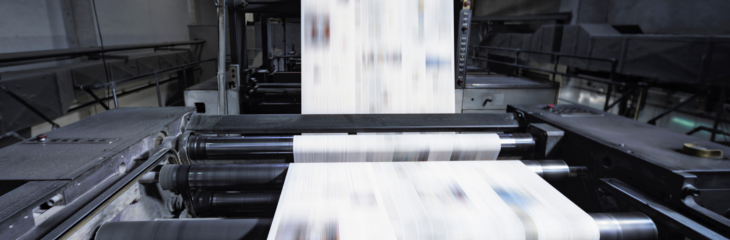
Traditional offset printing requires ordering hundreds or thousands of copies upfront. That means capital tied up in boxes of books sitting in a warehouse, the risk of unsold stock, and the very real possibility of either running out (and losing sales) or over-printing (and losing money).
With print on demand, a single copy is printed only after it's ordered. There's no minimum print run, no warehouse, and no guesswork about how many copies to produce. A title can sell one copy a month or a thousand copies a day, and the production process scales automatically either way.
For indie authors and small presses on a tight budget, that flexibility can make publishing a print book possible when it might otherwise be out of reach.
Lower Upfront Costs
Because there's no need to pre-pay for a print run, the cost of bringing a book to market drops dramatically. The money that would've gone into inventory can instead go toward the things that actually move books: editing, cover design, and marketing.
This lower barrier to entry is a big part of why independent publishing has grown so much. Writers no longer need a traditional publishing deal, or a large personal investment, to get a professionally printed book into readers' hands.
Books Never Go Out of Print
In the traditional model, a book that stops selling well enough to justify another print run eventually goes out of print. With POD, that doesn't have to happen. As long as the files are in the system, the book can be printed and sold indefinitely, whether that's five years or 15 years after its original release.
This is especially valuable for backlist titles. A novel that builds a quiet, steady readership over time, or a nonfiction book that finds a new audience years after publication, can keep earning for its author without anyone having to make a new printing decision.

Global Reach without Global Shipping
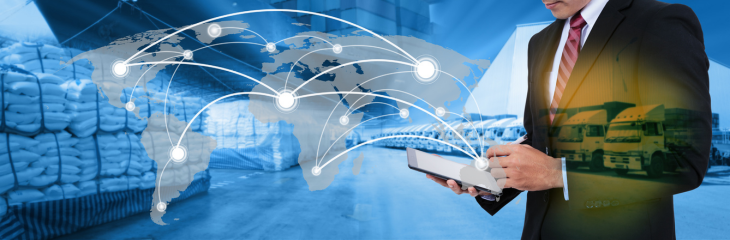
Many POD networks print in multiple locations around the world, meaning a reader in the UK, the U.S., or Australia can get a copy printed and shipped from a facility near them rather than waiting weeks for a package to cross an ocean. That means faster delivery, lower shipping costs, and a smaller environmental footprint, since books aren't being shipped long distances before they're even sold.
For indie authors hoping to reach readers beyond their home market, this kind of built-in global distribution would otherwise be out of reach.
Easy Updates and Revisions
Found a typo after publication? Want to update a cover, fix a formatting issue, or add a new foreword? With a traditional print run, those existing copies are stuck as-is until they sell through. With POD, the fix can be uploaded and the very next copy printed reflects the change.
This flexibility also makes it practical to experiment without wasting existing stock: testing a new cover design, updating back matter with new titles, or refreshing a series look.
Access to the Same Retail Channels as Big Publishers
One of POD’s biggest benefits is giving indie authors and small presses access to retail channels once dominated by major publishers. Books distributed through POD networks can appear in the same online stores, and be available to the same bookstores and libraries, as titles from major publishing houses. A reader browsing online has no way of knowing whether the book they're looking at came from a small publishing house or one of the Big Five. And that's exactly the point.
Less Waste, More Sustainability
Printing books as readers order them can help you save more than money: it can help reduce waste, too. Unsold books can end up being pulped, but POD reduces the need to print extra copies that may never find a reader. For authors and publishers looking to make more environmentally conscious choices, that’s another good reason to consider print on demand.
The Bottom Line
Print on demand didn't just make self-publishing more affordable. It fundamentally changed who gets to put a book into the world. Indie authors and small publishers can now operate with the same reach, the same retail presence, and the same staying power as much larger operations, without the financial risk that used to make print publishing a gamble.
For anyone weighing whether to bring a book to print, POD offers a rare combination: lower cost, lower risk, and no ceiling on how long or how far that book can travel.
For more information about the wonders of print on demand, be sure to download our free book distribution guide, Indie Publishing: Beyond Industry Standards.