
IngramSpark takes a necessary stand to uphold the integrity of and reduce bias against independently published works. To align with our industry’s needs for content integrity, we will actively remove content from our catalog that is deemed unsuitable according to the criteria specified below, that may be deemed illegal or harmful under applicable law, or that may otherwise harm buyers or the reputations of IngramSpark, its affiliates, our publishers or distribution channels; IngramSpark retains the right to make any such determination in its sole and absolute discretion.
IngramSpark Staff
Recent Posts

After you've spent the time and money to edit, design, and market your book, the thought of selling it at a discounted price may seem counterintuitive. However, offering a discount is an excellent way to expand your reach in the book distribution channels. Discounting your book can help get it picked up by retailers. Here's how.

Library Organization and Purchasing Decisions
America's libraries fall into four basic types: Public, School, Academic and Special (armed forces, government, corporate). Like bookstores, most libraries purchase content from book vendors rather than directly from publishers. If your book isn’t in a library vendor catalog, you're already behind the curve.

Original article published March 2, 2023. Updated May 27, 2026.
Independent booksellers once resisted self-published titles, often assuming they lacked quality. Today, many self-published books rival traditionally published ones in both content and production. So just how do you go about selling your book to independent bookstores?

With the rise of e-readers, ebook retailers, and changing shopping patterns, it’s never been a more advantageous time to share your story in the digital marketplace! There are several prominent self-publishing companies you can choose from when deciding to publish an ebook. While famous names like Kindle Direct Publishing, BookBaby, and Issuu might sound like the way to go, IngramSpark has so much more to offer authors. This includes the convenience of having your print and ebook in one platform, a user-friendly Book-Building Tool, a wide distribution network and easy conversion of print book files to ebook.

To Ebook Or Not To Ebook
Publishing an ebook is a great way to make your work available to a whole new market of readers! You may be wondering if your book will only work as an ebook or if it can also be a print book. What type of books should or should not be an ebook? Except for a few niche genres, anything that can be a print book can be an ebook as well! All different genres and book types, from cookbooks to poetry, memoirs to illustrated children’s books, can all become ebooks accessible on multiple smart devices.

What is Kindle Direct Publishing?
In the world of self-publishing, Kindle Direct Publishing is undoubtedly a well-known name. Kindle Direct Publishing or KDP for short, is Amazon’s platform for self-publishing ebooks, paperback, and hardcover books. When deciding to self-publish your ebook, you probably thought of KDP as the go-to platform. If you have used KDP, then you are aware of the process of creating an account, uploading your book, book cover, and the book’s description to create a book that is ready for sale. It is a fairly straightforward process that has worked for many authors.

Updated January 29, 2024
Getting your ebook into the world is a smooth process with IngramSpark. Whether you've already published a print book through IngramSpark or are ready to start your self-publishing journey, there are only six steps for your ebook to go from your computer to the rest of the world!
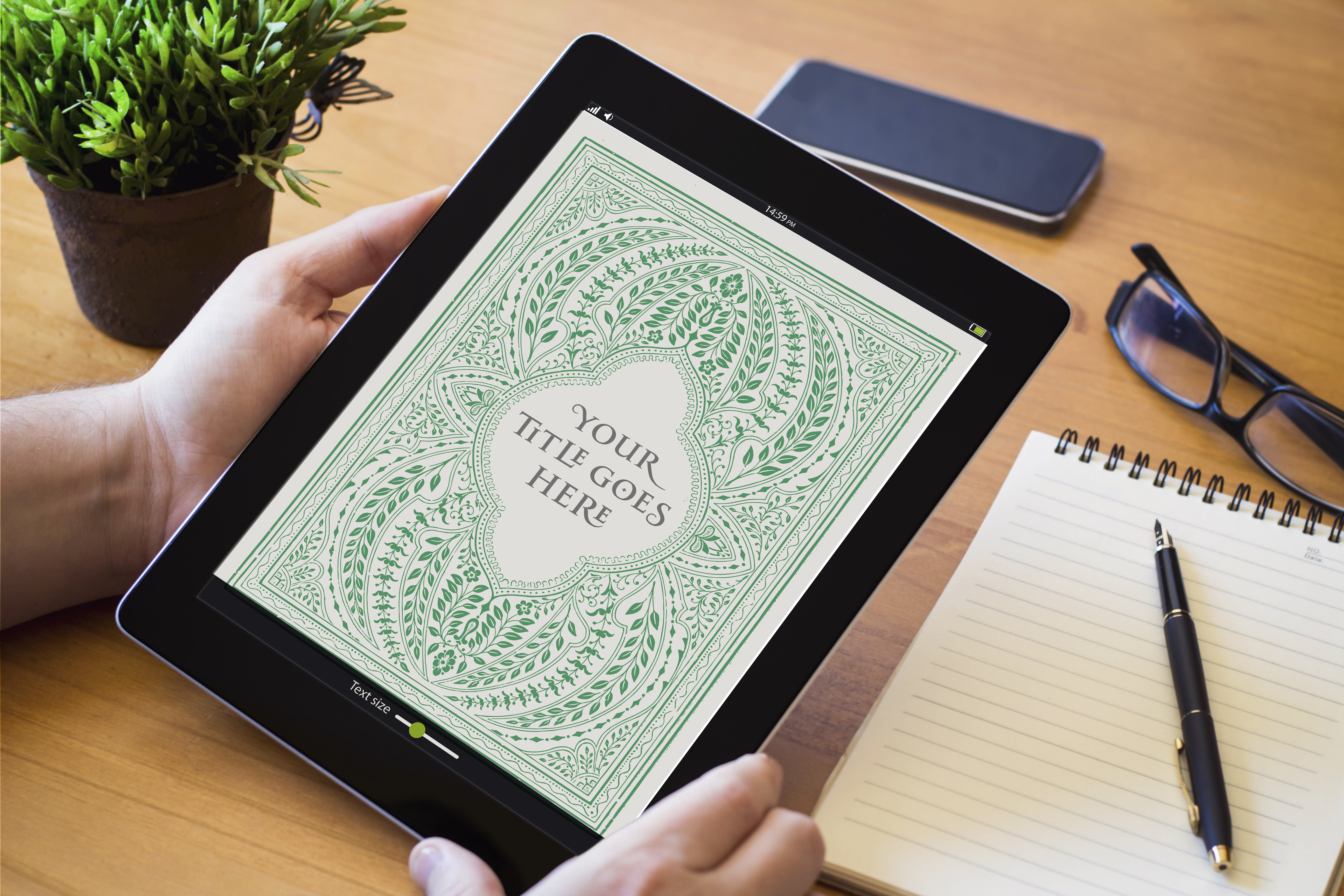
Whether it’s on a small phone screen or a large desktop, your ebook cover needs to grab attention and pique the reader’s interest. While the print cover and ebook cover are usually the same, the design approach is different for each. For the print cover, there are numerous factors to consider, such as paper type and texture, colors, embossed or debossed lettering, the spine, and back cover design. The ebook cover design doesn’t have those concerns but must still communicate effectively and attract the reader.

Who Sells Your Ebook?
There is a great sense of pride in seeing your book for sale at a bookstore. You can touch your book, you can take pictures of it, and persuade your friends to come and see your book in person. It can be an adjustment to feel that same level of excitement when your ebook is for sale on a website. Sending your friends a link is not quite the same as having them stand in front of your book on the shelf. Yet we cannot deny that our society continues to increase its activity and engagement in the digital world. So who are the distributors in this digital world, and how are they going to sell your ebook? IngramSpark is in partnership with over 40 ebook sellers and subscription services. When you create your ebook through IngramSpark those 40-plus distributors can sell your ebook to readers all over the world. There are too many to discuss all of them in one blog, so let’s focus on the top subscription services and the top online stores that will sell your ebook.