
Self-aware authors know they're taking on a challenge when they choose to self-publish a book, a rewarding and exciting challenge, but a challenge nonetheless. With advancements in technology and opportunity, and a lessening of the bias against self-publishing, every author now has a chance to succeed in the publishing space doing it on their own.
IngramSpark Staff
Recent Posts

Marketing plays a huge role in any book’s success, but this is especially true for self-published books. Before you publish a book (or before you even start writing it!), it’s important to think about who you’ll be selling your book to—and how. Digital marketing is constantly changing, and it can be tough for authors to keep up with the top trends. We've rounded up the top digital marketing strategies to help both new and savvy indie authors understand how to market self-published books.

Updated February 10, 2025
If you intend to make a business out of self-publishing a book, be sure you understand the key elements of the book publishing process. Once you have an understanding of these basic publishing terms, you’ll be more prepared to succeed in this business we call the book business.

Updated February 7, 2025
A crucial element of your book marketing and sales strategy needs to be making your book easy to categorize and discover. You achieve this with good book metadata. Successful self-publishers know how to incorporate as much quality metadata as possible into their publishing strategy, and while you don't have to include all of the following elements, consider incorporating those that are applicable to your book and your potential audience. Following are the metadata components that impact book sales most.

Considering converting your print book into an ebook? Offering your book in multiple formats is one of the easiest ways to reach more readers. While some readers prefer to read in print, some prefer to read ebooks only. Not offering your book in ebook format is a guarantee your content will never reach them, so why limit your book's distribution?
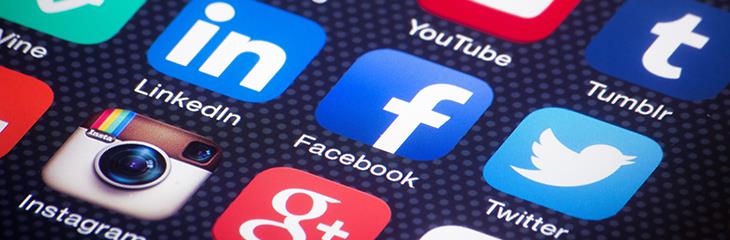
Social media marketing is important for almost every industry. Consumers use it to make purchasing decisions and see what non-marketers are saying about a person, brand, or idea. Authors and publishers use social media marketing to direct consumer awareness in the online community.

Updated November 25, 2025
Your IngramSpark account setup is complete – now what? The first step on your publishing journey is to upload your book to your account, and we’re here to guide you through the process!

One thing many indie authors must come to terms with is that they’re not just publishing a book; they’re starting an author business. It is one thing to say you want to publish a book and become a published author but another to actually do it. And with advancements in technology and resources, many people can publish a book, but it takes a bit extra to start your own book publishing business, even more for it to be a successful one.

It has to be said that print on demand (POD) has changed the way the publishing industry does business. But before we talk about the wonders of POD, let’s define what it is. In a nutshell, it's the process by which a book is printed when an order for that book is received. With POD there’s no inventory being stored or anticipated demand being measured—get a book order, print a book, one at a time.

Updated August 7, 2026
Romance novels have a special kind of appeal. The headstrong heroines, the misunderstood heroes, and the happily-ever-afters are exactly what make the genre so beloved. Readers devour these stories and proudly carry them everywhere. Romance and self-publishing also happen to be a natural fit. Many self-published authors who bring their books to the world write romance, and that’s no coincidence. Here are five reasons why: